
UK Driving License: Everything You Need to Know
A UK driving license—more accurately called a UK driving licence—is one of the most important documents for motorists in Great Britain. It proves that you are legally entitled to drive specific categories of vehicles and contains important information about your driving entitlements, endorsements, and licence validity.
Whether you’re applying for your first provisional licence, preparing for your driving test, renewing an expired photocard, or replacing a lost licence, understanding how the UK licensing system works will help you avoid delays and remain compliant with UK law.
This comprehensive guide explains everything you need to know about obtaining, renewing, checking, and managing your UK driving licence.
What Is a UK Driving License?
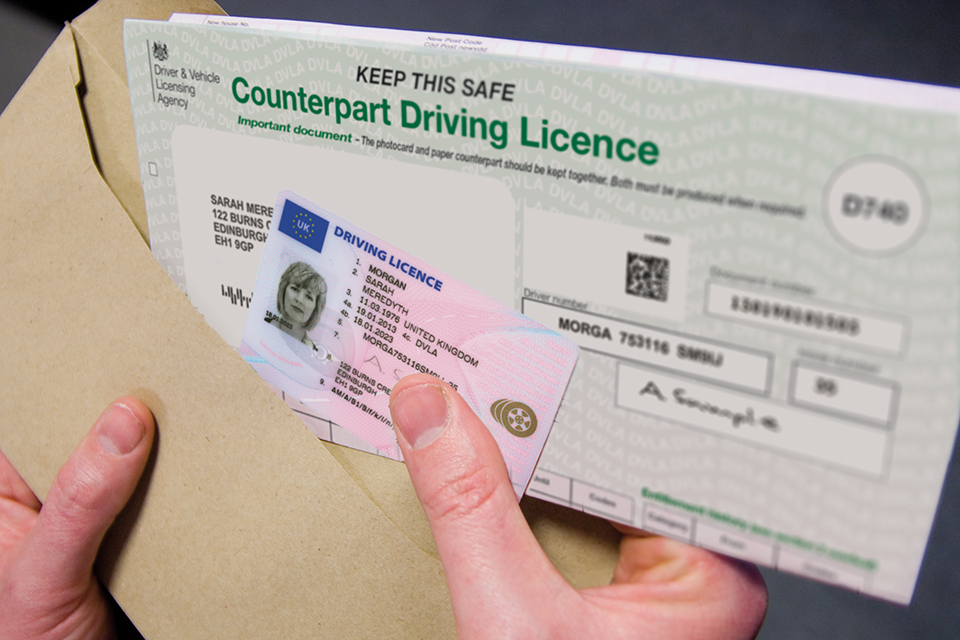
A UK driving licence is an official document issued by the Driver and Vehicle Licensing Agency (DVLA) for drivers in England, Scotland, and Wales. It confirms that you have met the legal requirements to drive one or more categories of vehicles.
Your licence includes information such as:
- Your full name
- Date of birth
- Photograph
- Driver number
- Licence issue and expiry dates
- Vehicle categories
- Restriction codes
- Signature
Every licence is unique and should be kept accurate and up to date.
Types of UK Driving Licences
Understanding the different licence types is essential.
Provisional Driving Licence
A provisional licence allows you to begin learning to drive under the required conditions. Most people can apply from the age of 15 years and 9 months, although they generally cannot drive a car on public roads until age 17, unless a specific exception applies.
With a provisional licence you can:
- Take professional driving lessons.
- Practise driving with an eligible supervising driver.
- Book your theory test.
- Book your practical driving test.
Full Driving Licence
After passing both the theory and practical driving tests, you’ll receive a full driving licence.
A full licence allows you to:
- Drive independently.
- Remove L plates.
- Hire vehicles (subject to rental company policies).
- Apply for jobs requiring a driving licence.
- Build your no-claims insurance history.
How to Apply for Your First UK Driving Licence
Applying for your first licence is straightforward.
You’ll generally need to:
- Meet the minimum age requirements.
- Be able to meet the legal eyesight standards.
- Provide proof of identity.
- Pay the application fee.
Once your provisional licence has been issued, you can begin learning to drive with an approved instructor or an eligible supervising driver.
How to Get a Full Driving Licence
After receiving your provisional licence, the normal process is:
- Learn to drive.
- Pass the theory test.
- Pass the practical driving test.
- Receive your full driving licence.
For most drivers, the DVLA automatically issues the first full licence after the practical test if the examiner submits the application electronically. Some drivers may need to apply by post in specific circumstances.
What Information Is Printed on Your Licence?
A modern UK photocard driving licence contains important information, including:
- Personal details
- Licence number
- Licence validity dates
- Vehicle categories
- Restriction codes
- Photograph
- Signature
The reverse side lists the vehicle categories you are entitled to drive and the dates those entitlements begin and end.
How to Check Your Driving Licence
The DVLA provides an online service that allows drivers to view their driving record.
You can check:
- Licence validity
- Vehicle categories
- Penalty points
- Endorsements
- Driving disqualifications
- Driving entitlements
You can also generate a licence check code to share your driving record with employers or vehicle hire companies.
Renewing Your UK Driving Licence
Most photocard licences must be renewed periodically to keep the photograph up to date.
You should also renew your licence if:
- Your photocard expires.
- Your licence reaches its renewal date.
- You are required to renew because of age or other legal requirements.
Renewing before your licence expires helps you avoid unnecessary complications.
Replacing a Lost or Damaged Licence
If your licence is:
- Lost
- Stolen
- Damaged
- Destroyed
you should apply for a replacement as soon as possible.
Most eligible drivers can replace their licence online using the official DVLA service. A replacement fee generally applies.
Updating Your Licence
Your driving licence should always contain accurate information.
You should update it if:
- You change your address.
- You change your legal name.
- Your photograph needs updating.
- Your personal details change.
Keeping your licence current helps ensure official records remain accurate.
Understanding Driving Licence Categories
Your licence lists the categories of vehicles you may legally drive.
These include categories for:
- Cars
- Motorcycles
- Mopeds
- Vans
- Minibuses
- Larger vehicles
Each category has its own eligibility requirements and may include additional restriction codes.
Common Mistakes to Avoid
Many drivers experience delays because they:
- Forget to update their address.
- Miss their renewal date.
- Lose their licence without replacing it promptly.
- Use unofficial websites that charge unnecessary administration fees.
- Fail to check their driving record regularly.
Using official government services helps reduce these risks.
Tips for Protecting Your Licence
To keep your licence secure:
- Store it in a safe location.
- Avoid carrying it unless necessary.
- Report a lost or stolen licence quickly.
- Check your driving record regularly.
- Be cautious of phishing emails and copycat websites pretending to offer DVLA services.
Frequently Asked Questions
Is “driving license” or “driving licence” correct?
In the UK, the correct spelling is driving licence. However, many people search online for UK driving license, so both spellings are commonly seen in search results.
Can I check my driving licence online?
Yes. Eligible drivers can securely view their driving record online using the official government service.
Can I replace a lost driving licence online?
Yes. Most drivers in England, Scotland, and Wales can replace a lost, stolen, damaged, or destroyed licence online.
How often should I renew my driving licence?
Most photocard licences require periodic renewal to keep your photograph current. Renewal requirements can also depend on your age and individual circumstances.
Can I drive immediately after passing my practical test?
Yes. If you have valid insurance and meet all legal requirements, you can normally begin driving immediately after passing your practical test while waiting for your photocard licence to arrive.
Final Thoughts
Whether you searched for UK driving license or UK driving licence, understanding the licensing process is essential for every driver. From obtaining your first provisional licence to renewing your photocard, replacing a lost licence, or checking your driving record, staying informed helps you remain legally compliant and avoid unnecessary delays.
Managing your driving licence responsibly also makes everyday tasks—such as hiring a vehicle, applying for jobs, or proving your driving entitlement—much easier. Always use official government services for licence-related applications and keep your details up to date to ensure your records remain accurate.