
UK Driving Licence: Everything You Need to Know
A UK driving licence is an essential document that allows you to drive legally on roads throughout Great Britain. Whether you’re applying for your first provisional licence, renewing an expired photocard, replacing a lost or stolen licence, or updating your personal details, understanding the process helps you stay compliant with UK driving laws.
This guide explains the different types of UK driving licences, who can apply, how to renew or replace a licence, and why keeping your licence up to date is important.
What Is a UK Driving Licence?
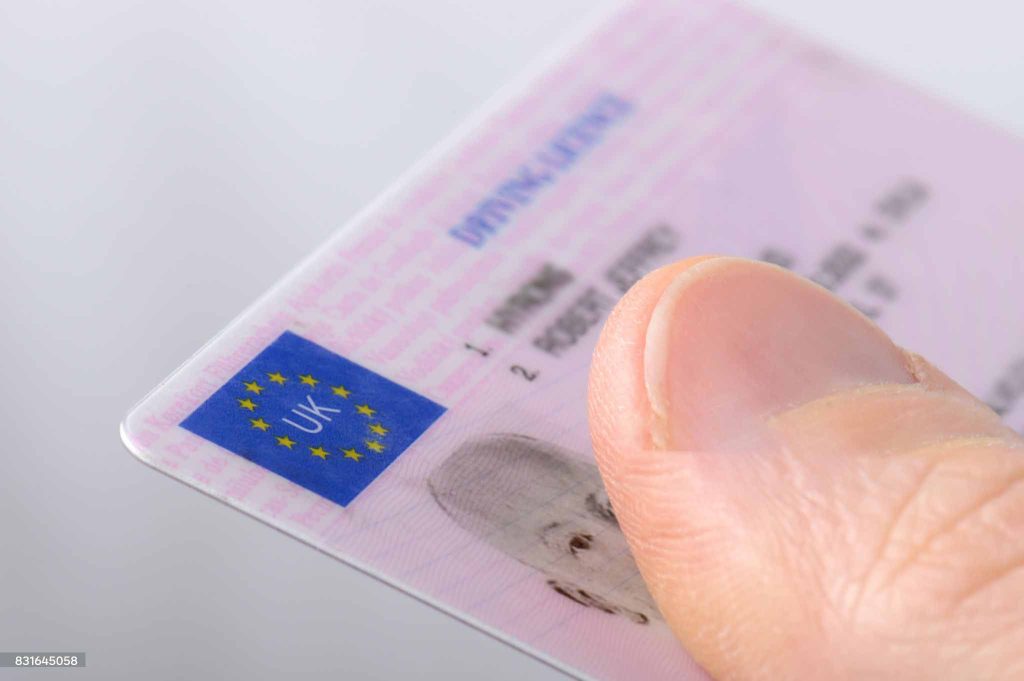
A UK driving licence is an official document issued to eligible drivers that confirms they are legally permitted to drive certain categories of vehicles. In Great Britain (England, Scotland, and Wales), licences are administered by the Driver and Vehicle Licensing Agency (DVLA). They include important information such as:
- Driver’s full name
- Photograph
- Date of birth
- Driving licence number
- Vehicle categories
- Licence issue and expiry dates
- Endorsements and penalty points (if applicable)
Drivers are legally responsible for ensuring the information on their licence remains accurate and current.
Types of UK Driving Licence
Provisional Driving Licence
A provisional licence is the first step towards becoming a qualified driver. It allows you to:
- Take professional driving lessons
- Practise driving under the required supervision
- Book your theory and practical driving tests
Most people can begin learning to drive a car at age 17, although you may apply for a provisional licence before then if you meet the eligibility requirements.
Full UK Driving Licence
Once you successfully pass both the theory and practical driving tests, you can obtain a full UK driving licence. This entitles you to drive independently within the vehicle categories shown on your licence.
Who Can Apply for a UK Driving Licence?
To apply for your first driving licence, you generally need to:
- Meet the minimum age requirement
- Satisfy the required eyesight standards
- Be eligible to drive in Great Britain
- Provide acceptable proof of identity
- Pay the applicable application fee
Meeting these requirements is the first step toward legally driving on UK roads.
When Should You Renew Your UK Driving Licence?
Your photocard driving licence does not last forever. You may need to renew it if:
- Your photocard has expired
- You reach an age where renewal is required
- Your licence has become damaged
- Your photograph no longer reflects your appearance
- You have a short-term medical licence that requires renewal
Renewing your licence before it expires helps ensure you remain legally entitled to drive.
Replacing a Lost or Stolen UK Driving Licence
If your licence has been:
- Lost
- Stolen
- Damaged
- Destroyed
you should apply for a replacement as soon as possible. Replacing your licence promptly helps protect your identity and ensures you have valid documentation available when needed.
Updating Your Driving Licence Details
You should update your UK driving licence whenever your personal information changes, including:
- Home address
- Name
- Photograph (when required)
- Certain medical conditions affecting your ability to drive
Keeping your licence information up to date helps prevent administrative problems and ensures important correspondence reaches you.
Understanding Driving Licence Categories
Your driving licence lists the categories of vehicles you are authorised to drive. These categories determine whether you can drive:
- Cars
- Motorcycles
- Vans
- Minibuses
- Vehicles with trailers
- Larger commercial vehicles (subject to additional qualifications)
Before driving any vehicle, always check that the appropriate category appears on your licence.
Why Your UK Driving Licence Matters
A valid UK driving licence is required for many everyday activities, including:
- Driving legally on public roads
- Renting a vehicle
- Purchasing motor insurance
- Verifying your identity
- Applying for driving-related employment
- Demonstrating your driving entitlement when requested
Keeping your licence current helps avoid fines, delays, and unnecessary complications.
Frequently Asked Questions
How long does it take to receive a UK driving licence?
Processing times vary depending on the type of application and whether additional checks are required.
Can I drive while waiting for my licence?
In some circumstances, drivers may continue driving while their application is being processed if they meet the legal conditions. Always confirm that you satisfy the applicable requirements before driving.
What should I do if my licence is damaged?
You should replace a damaged licence promptly so that it remains readable and valid.
Can I change my address on my licence?
Yes. Drivers must notify the DVLA when they change address to keep their licence details accurate.
Final Thoughts
Your UK driving licence is one of the most important documents you will own as a driver. Whether you’re applying for your first licence, renewing an existing one, replacing a lost card, or updating your details, staying informed helps you remain compliant with UK driving regulations.
Taking the time to keep your licence accurate and valid makes it easier to access essential services such as vehicle insurance, car hire, employment checks, and driving entitlement verification.