
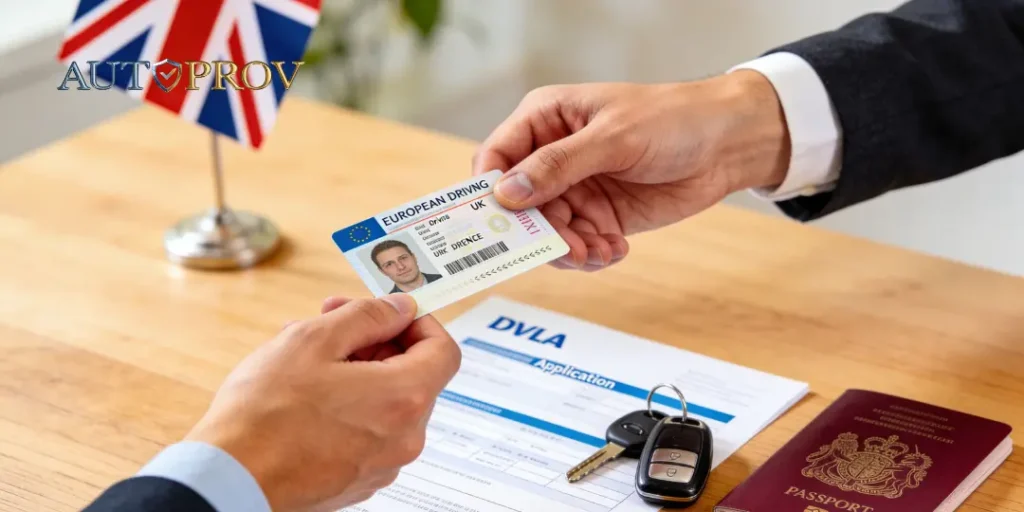
If you are searching for “how to get a driving licence”, you may be wondering where to begin, what documents you need, how much the process costs and how long it takes to become a fully licensed driver.
Getting a driving licence in the UK involves several stages. For most new car drivers in Great Britain, the process starts with applying for a provisional driving licence, followed by driving lessons, the theory test and the practical driving test.
This comprehensive guide explains how to get a driving licence in clear, practical steps, while also covering licence costs, eligibility, tests, renewals, replacements and common mistakes.
For more information about UK driving licences, visit UK DVLA Driving Licence.
Important: This guide applies to Great Britain (England, Scotland and Wales). Northern Ireland has a separate driving-licensing system.
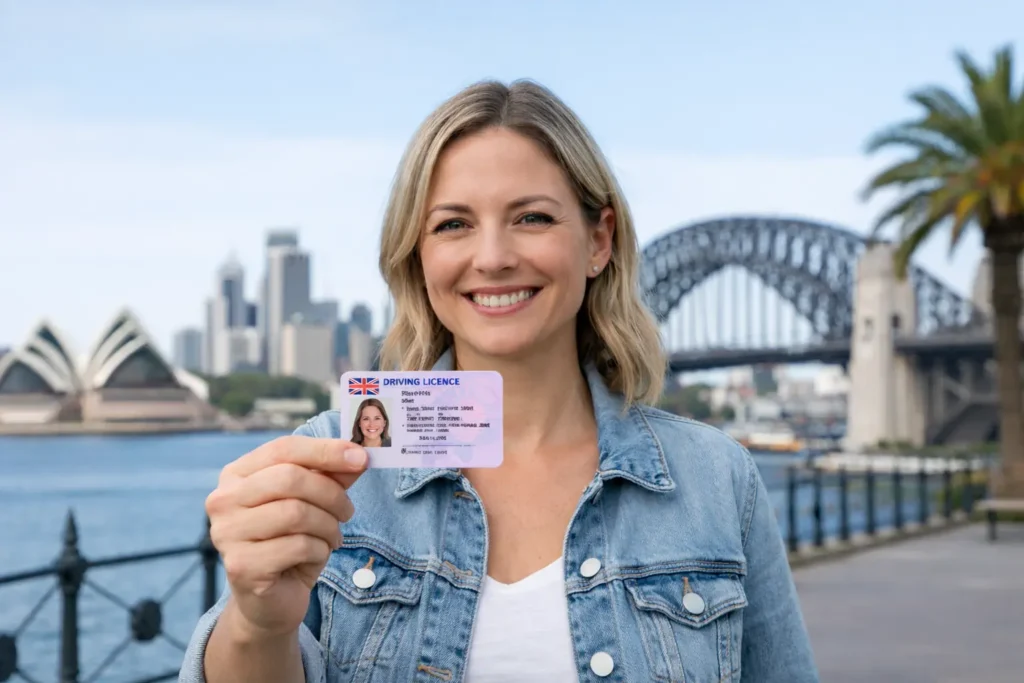
How to Get a Driving Licence: Quick Overview
For someone getting their first car licence, the process generally follows this path:
Check your eligibility → Apply for a provisional licence → Learn to drive → Pass the theory test → Pass the practical test → Receive your full driving licence
You need a provisional driving licence before you can take driving lessons or practise driving on public roads. GOV.UK states that most people can start learning to drive a car at 17.
If you are researching the process before starting your application, our UK driving licence guide provides additional information.
What Is a UK Driving Licence?
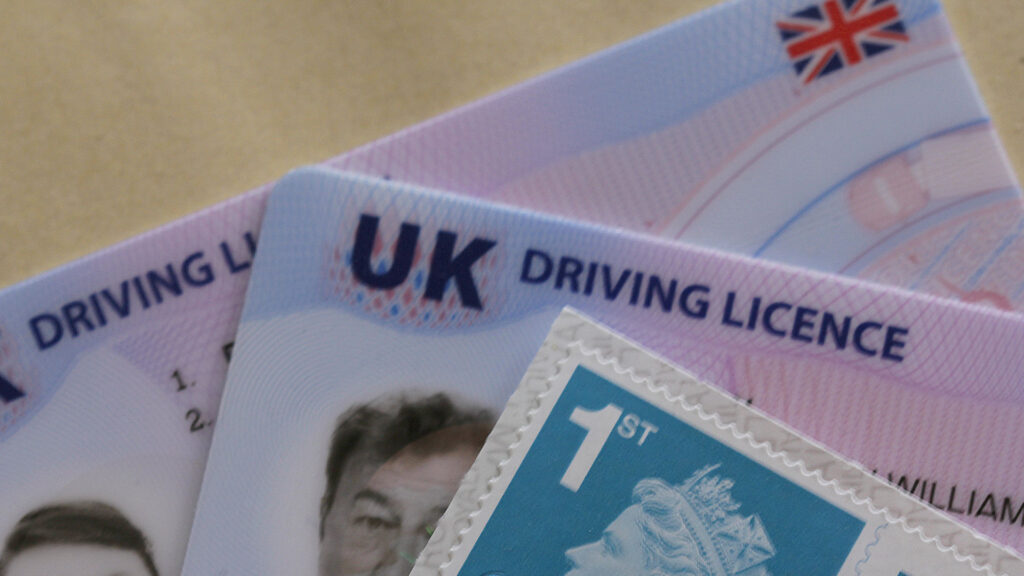
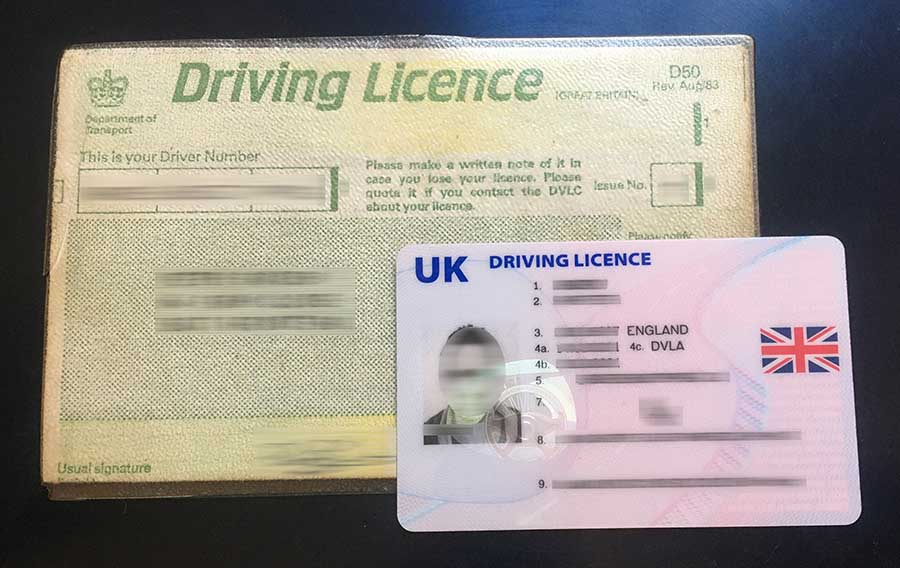
A UK driving licence is an official document showing that you have the legal entitlement to drive specific categories of vehicles.
Your licence can contain information relating to:
- Your name
- Date of birth
- Photograph
- Driving entitlement
- Vehicle categories
- Licence validity
- Restrictions
- Endorsements and penalty points, where applicable
The type of licence you need depends on the vehicle you want to drive.
For most people learning to drive an ordinary car, the relevant category is Category B.
Step 1: Check Whether You Can Get a Driving Licence
Before you apply, make sure you satisfy the relevant requirements.
For a standard provisional car, motorcycle or moped licence, you can generally apply from 15 years and 9 months. However, you normally need to be 17 before you can drive a car.
There are specific exceptions and different age requirements for certain vehicles and circumstances.
You should also check:
- Your eyesight
- Your identity requirements
- Your residency requirements
- Whether you have any medical conditions that must be reported
- The category of vehicle you intend to drive
Understanding these requirements before applying can help prevent delays.
Step 2: Apply for a Provisional Driving Licence
If you have never held a driving licence and want to learn to drive, your first major step is to apply for a provisional driving licence.
You can apply online or by post.
For a first provisional licence for a car, motorcycle or moped, the current fee is £34 online or £43 by post.
Information you may need
Depending on your circumstances, your application may require information such as:
- Full name
- Date of birth
- Current address
- Previous addresses
- National Insurance number
- Passport details
- Identity information
- Other information requested by DVLA
Check every detail before submitting your application.
Step 3: Receive Your Provisional Licence
Once your application has been processed and approved, you will receive your provisional driving licence.
Your provisional licence allows you to learn to drive subject to the rules applicable to learner drivers.
You can then arrange professional driving lessons and practise with an eligible supervising driver.
Remember that having a provisional licence does not mean you can drive without supervision before passing your test.
Step 4: Start Driving Lessons
Once you have your provisional licence, you can begin learning to drive.
Many learners choose to combine professional lessons with private practice.
A qualified driving instructor can help you develop the skills needed for both the practical test and safe everyday driving.
You should learn areas such as:
- Vehicle controls
- Moving off and stopping
- Steering
- Gear changes where applicable
- Mirror use
- Junctions
- Roundabouts
- Lane positioning
- Parking
- Reversing
- Speed management
- Road signs
- Hazard awareness
- Independent driving
The goal should not simply be to pass your test. You should develop safe and responsible driving habits that continue after you receive your full licence.
Step 5: Study for the Theory Test
The next important stage is preparing for the driving theory test.
For cars, the theory test consists of:
- Multiple-choice questions
- Hazard perception
You need to pass both parts.
The theory test covers important subjects including:
- The Highway Code
- Road signs
- Speed limits
- Junctions
- Roundabouts
- Motorways
- Safe following distances
- Hazard awareness
- Vulnerable road users
- Vehicle safety
The current car theory test fee is £23.
You can use official learning materials and practice tests to improve your knowledge before booking the real test.
Step 6: Pass Your Theory Test
You need to pass your theory test before you can book your practical driving test.
Before taking the test, make sure you are comfortable answering questions about road safety and identifying developing hazards.
Do not rely solely on memorising answers. Understanding why a particular answer is correct will make you a safer driver.
For more information about driving licences and related checks, visit our DVLA driving licence resource.
Step 7: Prepare for the Practical Driving Test
After passing your theory test, continue your practical training until you are ready for the driving test.
Your instructor can help identify areas that need improvement.
You should be able to drive safely and consistently while demonstrating:
- Effective observation
- Appropriate mirror use
- Safe speed control
- Correct road positioning
- Good anticipation
- Appropriate signalling
- Safe junction approaches
- Safe roundabout techniques
- Controlled manoeuvres
- Independent decision-making
Taking your test before you are ready can result in additional costs and delays.
Step 8: Book Your Practical Driving Test
Once you have passed the theory test and are sufficiently prepared, you can book your practical driving test.
The current standard car practical test costs £62 on weekdays and £75 for evening, weekend and bank-holiday appointments where available.
GOV.UK also notes that available evening and weekend appointments vary by test centre.
When selecting a test date, choose a time that gives you enough opportunity to prepare properly.
Step 9: Pass Your Practical Driving Test
The practical test assesses whether you can drive safely and independently.
You will need to demonstrate appropriate control and awareness throughout the test.
Common areas assessed include:
- Vehicle control
- Observation
- Road positioning
- Response to signs and signals
- Junctions
- Roundabouts
- Manoeuvres
- Independent driving
- Awareness of other road users
If you pass, the examiner will give you a pass certificate and normally arrange for DVLA to issue your full licence.
Step 10: Receive Your Full Driving Licence
One of the most important things to understand about how to get a driving licence is that you normally do not have to make a separate application for your full licence after passing your practical test.
GOV.UK states that the examiner normally takes your provisional photocard, gives you a test pass certificate and arranges for DVLA to send your full licence automatically.
You can start driving as soon as you have passed your practical test, provided you have insurance that allows you to drive without supervision.
When would you need to apply separately?
You may need to apply for your full licence if:
- You did not give your provisional photocard to the examiner
- Your name has changed
- Your address has changed
- You have an old-style provisional licence
GOV.UK provides specific instructions for these circumstances.
How Much Does It Cost to Get a Driving Licence?
The total cost depends on how many lessons you need and whether you pass your tests on the first attempt.
The main official fees currently include:
| Stage | Current fee |
|---|---|
| First provisional licence online | £34 |
| First provisional licence by post | £43 |
| Car theory test | £23 |
| Standard car practical test, weekday | £62 |
| Car practical test, evening/weekend/bank holiday | £75 |
You should also budget for driving lessons, which can make up a substantial portion of the overall cost of learning to drive.
Other potential costs include:
- Additional tests
- Extra lessons
- Insurance
- Fuel
- Vehicle maintenance
- Learning materials
Because fees can change, check the latest official DVLA and DVSA information before paying.
How Long Does It Take to Get a Driving Licence?
There is no single timeframe for everyone.
The total time depends on:
- How quickly you obtain your provisional licence
- How frequently you take driving lessons
- How quickly you become test-ready
- Theory test availability
- Practical test availability
- Whether you pass first time
The application itself can be relatively quick. However, becoming a competent driver is a learning process and should not be rushed simply to obtain a licence.
Can You Get a Driving Licence Online?
You can complete certain driving licence applications online.
For example, eligible applicants can apply online for their first provisional licence, while other services are available online for renewals, replacements and changes to certain details.
However, you cannot obtain a full car driving licence simply by completing an online application without taking the required tests.
If you are a first-time driver, you need to follow the appropriate learning and testing process.
How to Get a Driving Licence If You Have Lost Yours
If you already have a driving licence and it has been lost, stolen, damaged or destroyed, you normally need a replacement rather than starting the entire licensing process again.
The current replacement fee is £20. GOV.UK states that an online replacement should normally arrive within a week.
If your licence was stolen, you should contact the police where appropriate.
For more information, see our lost or stolen driving licence guide.
How to Renew Your Driving Licence
A photocard driving licence normally needs to be renewed every 10 years.
The current online renewal fee is £14.
DVLA normally sends a reminder before your photocard expires.
When renewing, check that your:
- Name is correct
- Address is correct
- Photograph is appropriate
- Other personal details are accurate
For more information, visit our UK driving licence resource.
How to Change Your Address on a Driving Licence
If you move house, you should update your address with DVLA.
Changing your address online is currently free.
Keeping your details current is important because DVLA correspondence may be sent to the address on your driving record.
After making changes, our driving licence status guide can help you understand more about checking your licence information.
How to Get a Driving Licence With a Foreign Licence
If you already have a driving licence issued outside Great Britain, the process may be different.
Depending on your circumstances, you may be able to:
- Exchange your foreign licence
- Continue driving under applicable rules
- Apply for a provisional licence
- Take a UK theory test
- Take a UK practical driving test
The rules depend on factors such as the country that issued your licence and your circumstances in Great Britain.
Do not assume that every foreign licence can automatically be exchanged for a GB licence.
Check the current requirements applicable to your specific licence before taking action.
How to Get Additional Driving Entitlements
Once you have a driving licence, you may want to add another vehicle category.
Depending on your circumstances, you could eventually qualify to drive:
- Motorcycles
- Larger goods vehicles
- Buses
- Vehicles with trailers
Different categories have different eligibility requirements and testing procedures.
If you plan to drive professionally, make sure you understand the requirements for the specific category before applying.
What If Your Driving Licence Has Been Disqualified?
If your driving licence has been removed following a disqualification, the process for getting your driving entitlement back can be different.
Depending on the circumstances, you may need to:
- Apply for a new provisional licence
- Pass another theory test
- Take a practical test
- Complete an extended test
- Meet additional legal requirements
Never drive until you have regained the legal entitlement to do so.
Common Mistakes to Avoid When Getting a Driving Licence
Applying Before Checking the Requirements
Make sure you meet the relevant age, identity, residency and eyesight requirements.
Entering Incorrect Information
A simple error in your name, date of birth or address can create complications.
Using Unofficial Websites
For actual applications and payments, use the official GOV.UK services.
Taking the Practical Test Too Early
Passing the theory test does not necessarily mean you are ready for the practical test.
Ignoring Your Driving Record
Once you have a licence, it is useful to understand your licence status and recorded driving information.
Our DVLA licence check resource provides additional information about checking your licence.
Forgetting to Renew Your Photocard
A photocard licence normally needs renewal every 10 years.
How to Get a Driving Licence: First-Time Driver Checklist
Before beginning, use this checklist:
Eligibility
- Check the minimum age
- Check your eyesight
- Check residency requirements
- Check whether any medical information needs to be declared
Provisional Licence
- Gather your personal information
- Apply for your provisional licence
- Pay the applicable fee
- Wait for your licence
Learning
- Find a suitable driving instructor
- Study the Highway Code
- Take regular lessons
- Practise safely where permitted
Theory Test
- Study the theory material
- Practise multiple-choice questions
- Practise hazard perception
- Book the theory test
- Pass the theory test
Practical Test
- Build sufficient driving experience
- Practise manoeuvres
- Develop independent driving skills
- Book your practical test
- Pass your test
Full Licence
- Give your provisional photocard to the examiner
- Receive your pass certificate
- Wait for your full licence to be issued
- Make sure you have appropriate insurance before driving independently
Frequently Asked Questions About How to Get a Driving Licence
How do I get a driving licence in the UK?
For a first-time car driver, you generally need to obtain a provisional licence, learn to drive, pass the theory test and then pass the practical driving test.
Can I get a driving licence without taking a driving test?
For a standard first-time car licence, you generally need to pass the required driving tests. Simply applying online does not give you full driving entitlement.
How much is a provisional driving licence?
The current first provisional licence fee is £34 online or £43 by post.
How much is the driving theory test?
The current car theory test fee is £23.
How much is a practical driving test?
A standard car practical test currently costs £62 on weekdays or £75 for evening, weekend and bank-holiday appointments where available.
Can I drive immediately after passing?
Yes. You can start driving as soon as you pass your practical test, provided you have suitable insurance allowing you to drive without supervision.
Do I need to apply for my full licence after passing?
Usually not. DVLA normally issues your full licence automatically after the examiner processes your pass.
How often does a driving licence need to be renewed?
A standard photocard licence normally needs to be renewed every 10 years.
How much does it cost to replace a lost driving licence?
The current replacement fee is £20.
Final Thoughts: How to Get a Driving Licence
Understanding how to get a driving licence makes the process much easier for first-time drivers.
The basic process is:
1. Check your eligibility
2. Apply for a provisional driving licence
3. Learn to drive and practise
4. Pass your theory test
5. Prepare for your practical test
6. Pass your practical driving test
7. Receive your full driving licence
Getting a driving licence is more than completing an application. It involves developing the knowledge, skills and judgement necessary to drive safely.
Existing licence holders may also need to use DVLA services to renew their licence, replace a lost licence, update personal information or add driving categories.
For more information about UK driving licences, DVLA licence checks, driving records, licence status, applications and related topics, visit UK DVLA Driving Licence.