
DVLA New Driving Licence: Everything You Need to Know
Whether you’re applying for your very first licence, replacing one that has been lost, renewing an expired photocard, or updating your personal details, obtaining a DVLA new driving licence is an important step in remaining legally entitled to drive in Great Britain.
The Driver and Vehicle Licensing Agency (DVLA) manages driving licences for motorists in England, Scotland, and Wales. Most applications can now be completed online, making the process quicker, simpler, and more secure than ever.
This complete guide explains when you need a new driving licence, who is eligible, how to apply, current fees, expected processing times, and practical advice to help you avoid unnecessary delays.
What Is a DVLA New Driving Licence?
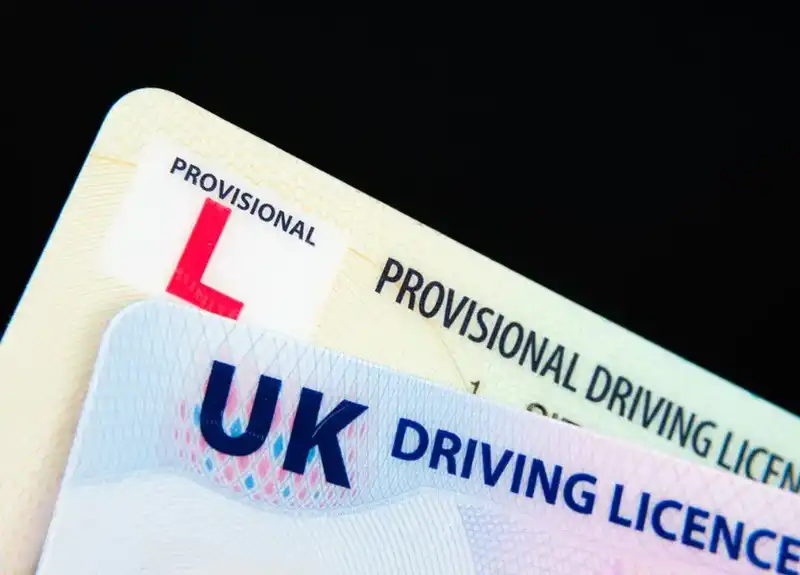
A new DVLA driving licence is issued whenever you:
- Apply for your first provisional driving licence.
- Receive your first full driving licence after passing your practical driving test.
- Replace a lost, stolen, damaged, or destroyed licence.
- Renew an expired photocard.
- Update your name, address, or photograph.
- Add new vehicle categories after passing additional driving tests.
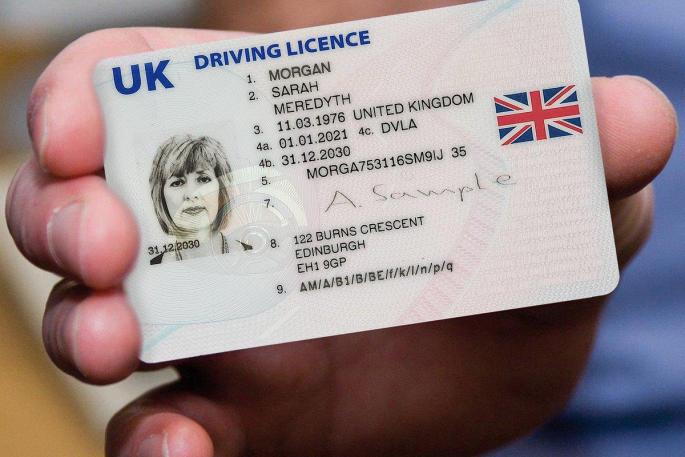
Each new licence replaces the previous version and contains your latest personal details and driving entitlements.
When Do You Need a New Driving Licence?
There are several situations where the DVLA may issue a new licence.
Applying for Your First Provisional Licence
If you’re learning to drive, you’ll first need a provisional driving licence before taking lessons or booking your theory test.
Receiving Your First Full Licence
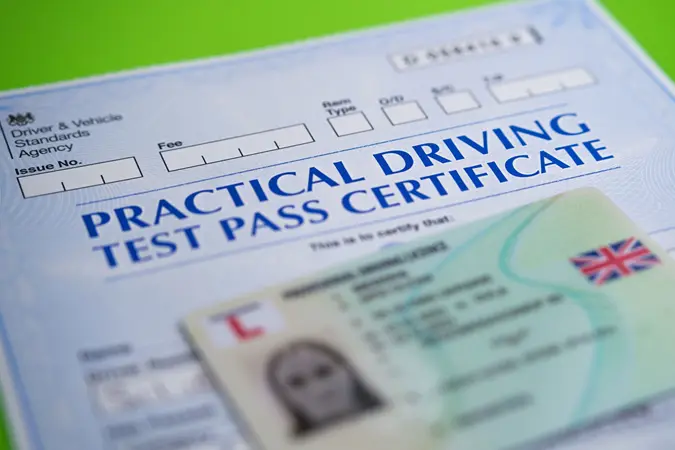
After passing your practical driving test, most drivers automatically receive their first full driving licence if they hand their provisional photocard to the examiner. If not, you may need to apply by post using a D1 form.
Replacing a Lost or Stolen Licence
If your licence has been lost or stolen, you should request a replacement promptly to protect your personal information.
Renewing an Expired Photocard
Most photocard licences require renewal every 10 years to keep the photograph current.
Updating Your Personal Details
You’ll normally need a new licence if you:
- Change your legal name.
- Move to a new address.
- Need to update your photograph.
Keeping your licence details accurate is an important legal responsibility.
Who Can Apply?
You can generally apply for a DVLA new driving licence if you:
- Live in England, Scotland, or Wales.
- Meet the eligibility requirements for the type of application.
- Are legally entitled to hold a driving licence.
- Are not disqualified from driving (for replacement and renewal services).
Drivers living in Northern Ireland follow a separate process through the Driver & Vehicle Agency (DVA).
Documents You May Need
Depending on your application, you may be asked to provide:
- Your current driving licence.
- Your National Insurance number.
- Proof of identity.
- Your current address.
- A passport-quality photograph (for some postal applications).
- Payment for any applicable fee.
Having these ready before you begin can help speed up the process.
How to Apply for a New DVLA Driving Licence
Step 1: Select the Correct Application
Choose the service that matches your circumstances, such as:
- First provisional licence.
- First full licence.
- Replacement licence.
- Photocard renewal.
- Personal detail update.
Step 2: Verify Your Identity
Most online services require you to confirm your identity using information linked to official records.
Step 3: Complete the Application
Check all personal information carefully before submitting your application.
Step 4: Pay Any Required Fee
The amount depends on the service you need. For example:
- A replacement licence for one that is lost, stolen, damaged, or destroyed currently costs £20.
- A first provisional licence applied for online currently costs £34.
Step 5: Receive Your New Licence
Once your application has been approved, your new photocard driving licence will normally be posted to your registered address.
Online or Postal Application?
Online Applications
Online applications are usually:
- Faster.
- Available 24 hours a day.
- Easier to complete.
- More convenient for most drivers.
Postal Applications
Some situations require a paper application, such as:
- Certain first full licence applications.
- Some identity changes.
- Applications that require supporting documents.
A D1 application form is available from many Post Office branches offering DVLA services.
How Long Does It Take?
Typical processing times are:
- Online applications: Often within one week.
- Postal applications: Usually within three weeks, although complex identity or medical checks may take longer.
Can You Drive While Waiting?
In many situations, yes.
If you remain legally entitled to drive and meet all legal requirements, you can often continue driving while waiting for your new licence to arrive. Your circumstances may vary depending on the type of application.
Common Mistakes to Avoid
Many applications are delayed because drivers:
- Enter incorrect personal details.
- Forget to update their address.
- Use unofficial websites charging unnecessary administration fees.
- Submit incomplete postal applications.
- Wait until their licence has expired before renewing.
Double-checking your information before submitting your application can save time and prevent delays.
Tips for Protecting Your New Driving Licence
Once your licence arrives:
- Store it in a safe place.
- Keep your address updated.
- Renew your photocard before it expires.
- Replace it immediately if it becomes lost or damaged.
- Regularly check your driving record to ensure your details remain accurate.
Frequently Asked Questions
How do I get a new DVLA driving licence?
The process depends on why you need a new licence. You may be applying for your first provisional licence, receiving your first full licence, replacing a lost licence, renewing a photocard, or updating personal details.
How much does a replacement licence cost?
Replacing a lost, stolen, damaged, or destroyed driving licence currently costs £20.
How long does it take to receive a new licence?
Most online applications are completed within approximately one week, while postal applications generally take around three weeks if no additional checks are required.
Do I automatically receive my first full driving licence?
In most cases, yes. If you hand your provisional photocard licence to the examiner after passing your practical driving test, the DVLA usually sends your first full licence automatically.
Can I apply online?
Yes. Most DVLA driving licence services, including provisional applications, replacements, renewals, and address changes, can be completed online if you meet the eligibility requirements.
Final Thoughts
Obtaining a DVLA new driving licence is a straightforward process when you understand which service matches your circumstances. Whether you’re beginning your journey with a provisional licence, celebrating a successful driving test, replacing a lost licence, or renewing your photocard, using the correct DVLA service helps ensure your application is processed quickly and accurately.
Keeping your licence up to date not only helps you comply with UK driving laws but also makes it easier to prove your driving entitlement, hire vehicles, and maintain accurate records throughout your driving life.