
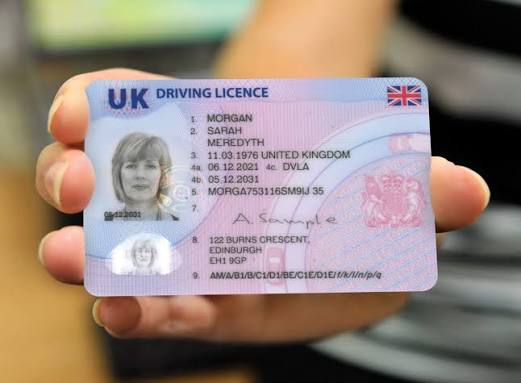
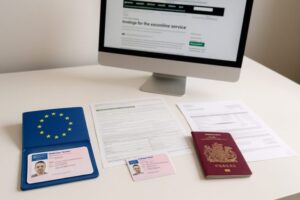
If you are searching for “driving licence status”, you may want to know whether your UK driving licence is valid, what vehicles you are entitled to drive, whether you have penalty points or disqualifications, or whether your licence information is up to date.
Checking your driving licence status is an important part of managing your licence, particularly if you have recently passed your driving test, received penalty points, changed your details, applied for a replacement licence, or need to provide your driving information to an employer or car hire company.
For licences issued in England, Scotland and Wales, GOV.UK provides an online service that allows drivers to view or share their driving licence information. You can use it to view your driving record, check penalty points or disqualifications, and create a licence check code.
In this comprehensive guide, we explain how driving licence status works, how to check it online, what information you can see, and what to do if your licence status is not what you expected.
For more information about UK driving licences, visit UK DVLA Driving Licence.
What Does Driving Licence Status Mean?
Your driving licence status refers to the current position of your driving entitlement.
In simple terms, it helps answer questions such as:
- Is my driving licence valid?
- What vehicles can I drive?
- Do I have penalty points?
- Am I currently disqualified from driving?
- Are there restrictions on my licence?
- Have my driving licence details been updated?
- Can I legally drive at the moment?
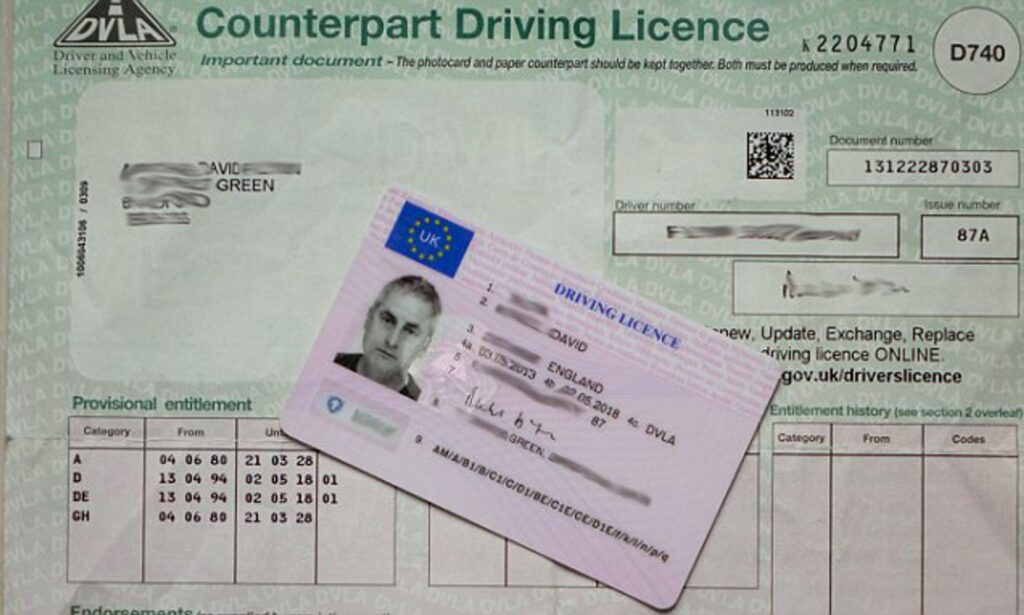
Your electronic driving record is particularly important because the physical photocard does not necessarily tell you everything about your current driving status.
The official DVLA service allows eligible drivers to view their driving record, including the vehicles they can drive, penalty points and disqualifications.
How to Check Your Driving Licence Status Online
The easiest way to check your driving licence status is through the official GOV.UK driving licence service.
You will normally need:
- Your driving licence number
- Your National Insurance number
- The postcode shown on your driving licence
These details are required to access your own driving licence information through the online service.
Step-by-Step Guide
1. Access the Official Online Service
Start with the GOV.UK service for viewing or sharing driving licence information.
2. Enter Your Driving Licence Number
Enter your licence number exactly as it appears on your driving licence.
3. Enter Your National Insurance Number
Provide your National Insurance number when requested.
4. Enter Your Licence Postcode
Use the postcode recorded on your driving licence.
5. View Your Driving Information
Once your details have been verified, you can view the information available on your driving record.
6. Review Your Driving Licence Status
Look at your vehicle entitlements, penalty points, disqualifications and other relevant information.
If you need to share your record, you can also create a DVLA check code.
For related information, read our DVLA driving record guide.
What Information Can You See When Checking Your Driving Licence Status?
When you check your driving licence status, several important areas of information may be available.
1. Vehicle Entitlements
Your record shows the categories of vehicles you are entitled to drive.
This can be important if you are unsure whether your licence allows you to drive a particular vehicle.
For example, UK driving licence categories cover cars, motorcycles, medium-sized vehicles, large vehicles, minibuses and buses. GOV.UK provides the specific entitlement requirements for each category.
If you are starting a new driving job or hiring a vehicle, checking your entitlements beforehand can help prevent problems.
2. Penalty Points
Your driving record can show penalty points resulting from motoring offences.
GOV.UK states that drivers can view their driving licence record to see what penalty points they have and when those points are due to be removed.
Penalty points can be important because accumulating enough points can result in a driving disqualification.
For many drivers, reaching 12 or more penalty points within three years can result in disqualification, although different rules apply in some circumstances, including for new drivers.
3. Driving Disqualifications
Your driving licence status can also be affected by a disqualification.
If you have been banned from driving, you should check your official driving record rather than assuming that possession of a physical photocard means you are currently entitled to drive.
For a disqualification lasting less than 56 days, GOV.UK says you can check your driving licence record online and cannot drive until the disqualification has ended. For disqualifications of 56 days or more, you must apply for a new licence before driving again.
Why Is It Important to Check Your Driving Licence Status?
There are many situations where checking your driving licence status makes sense.
Before Starting a Driving Job
If you are applying for a job that involves driving, an employer may need to verify your driving entitlement.
Before Hiring a Car
A rental company may ask you for a DVLA check code to verify your driving information.
After Receiving Penalty Points
Checking your record can confirm that your endorsement information has been recorded.
After Passing Your Driving Test
New drivers may want to check that their full driving entitlement has been correctly reflected.
After a Disqualification
If you have been disqualified, checking your record can help you understand your current status.
After Changing Your Details
If you change your address or other licence information, checking your record can help you confirm that the relevant information has been updated.
For more information, visit our UK driving licence guide.
Driving Licence Status After Passing Your Test
Passing your driving test is an important milestone, but you should still make sure your driving licence information is correctly recorded.
If you have recently passed your practical test, you may want to check your driving licence status to confirm your entitlement.
This is particularly useful if:
- You have recently passed your first driving test
- You upgraded from a provisional to a full licence
- You added a new vehicle category
- You need proof of your driving entitlement for employment
New drivers should also be aware of the special penalty-point rules that apply during their first two years.
Under the New Drivers Act, a licence is revoked if the driver receives six or more penalty points within two years of passing their test.
Driving Licence Status and Penalty Points
Penalty points can have a direct impact on your driving status.
Endorsements are recorded on your driving record, and the length of time they remain there depends on the offence.
GOV.UK states that endorsements generally remain on driving records for four or 11 years, depending on the offence.
For example, certain speeding offences can result in penalty points, while more serious offences can result in both points and disqualification.
This is why checking your driving licence status after receiving a motoring penalty can be useful.
How Many Points Can Affect Your Driving Licence Status?
The consequences depend on your driving history and the circumstances of the offences.
A driver can generally be disqualified under the “totting-up” rules after reaching 12 or more penalty points within three years.
The length of a ban can depend on whether it is a first, second or third disqualification within the relevant period.
GOV.UK states that a totting-up disqualification can be:
- 6 months for 12 or more points within three years
- 12 months for a second disqualification within three years
- 2 years for a third disqualification within three years
Because the rules can have significant consequences, it is sensible to check your record rather than relying on memory.
Driving Licence Status for New Drivers
New drivers have additional rules that make checking their driving licence status particularly important.
If you receive penalty points on your provisional licence, unexpired points can be carried over to your full licence after passing your test.
If your total reaches six or more points within two years of passing your first test, your licence can be revoked.
If your licence is revoked under these rules, you must apply for a new provisional licence and pass both the theory and practical tests again to obtain a full licence.
Driving Licence Status and Vehicle Categories
Your licence status is also connected to your driving entitlements.
A UK driving licence does not automatically allow you to drive every type of vehicle.
Different categories apply to different vehicles.
For example:
- Category B generally covers cars
- Category C covers larger goods vehicles
- Category C1 covers medium-sized vehicles
- Category D covers buses
- Category D1 covers certain minibuses
The exact rules, weight limits and restrictions depend on the category and when your licence was obtained. GOV.UK recommends checking your driving licence information to confirm your specific entitlement.
This makes checking your driving licence status especially important before driving a vehicle outside your normal category.
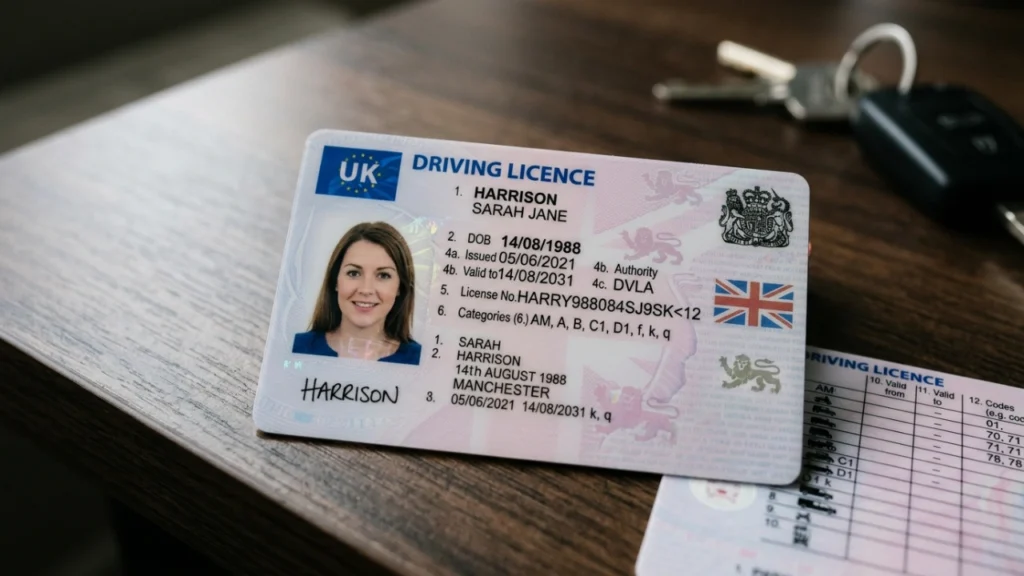
What Are Driving Licence Restriction Codes?
Your driving licence may contain codes that indicate restrictions or conditions attached to your driving entitlement.
These can relate to matters such as:
- Eyesight correction
- Vehicle adaptations
- Specific vehicle restrictions
- Other conditions associated with your licence
When checking your driving licence status, it is important to understand that having a particular vehicle category does not necessarily mean you can drive without restrictions.
Always comply with any applicable licence codes.
Driving Licence Status for Car Hire
If you are hiring a car, the rental company may want to verify your driving information.
The company could ask you to provide a DVLA licence check code.
A check code allows the company to access relevant information from your driving record.
The official GOV.UK service can be used to create a check code for sharing your driving record with organisations such as car hire companies. The code is valid for 21 days.
Before Hiring a Car
It is sensible to:
- Check your driving licence status.
- Review your penalty points.
- Confirm your vehicle entitlement.
- Check for any disqualification.
- Generate a check code if requested.
- Confirm the rental company’s documentation requirements.
Different rental companies can have different policies, so always check their requirements before collecting the vehicle.
Driving Licence Status for Employers
Employers may need to verify the driving status of employees who drive as part of their work.
This can apply to:
- Delivery drivers
- Couriers
- Van drivers
- HGV drivers
- Bus and coach drivers
- Taxi drivers
- Fleet drivers
- Company car drivers
You can provide a DVLA check code to an employer so that they can verify relevant information.
If you need to check another person’s driving information, GOV.UK says you need their permission, a valid check code and the last eight characters of their driving licence number.
How Does a DVLA Check Code Work?
A DVLA check code provides a way to share your driving information with another person or organisation.
The driver generates the code and gives it to the person who needs to check their record.
The recipient can then use:
- The driver’s check code
- The last eight characters of the driver’s licence number
The code must be used within 21 days and can only be used once.
If the code expires or has already been used, a new code must be generated.
Can Someone Else Check My Driving Licence Status?
Another person can check your driving information if you give them permission and provide the necessary information.
GOV.UK specifically states that obtaining someone else’s personal information without permission is a criminal offence.
This means you should only share your driving licence check code with a person or organisation that legitimately needs to verify your driving information.
Driving Licence Status After a Disqualification
If you have been disqualified from driving, your driving licence status needs particular attention.
A driving ban can result from:
- A court conviction
- Accumulating 12 or more penalty points within three years
- Certain serious driving offences
The court determines the length of a disqualification based on the circumstances.
If you are disqualified for 56 days or more, GOV.UK states that you must apply for a new licence before driving again and may need to retake a driving test.
If your disqualification is for less than 56 days, you do not need to apply for a new licence before driving again, but you cannot drive until the disqualification has ended.
What If Your Driving Licence Status Is Incorrect?
Sometimes you may check your driving licence status and find information you do not recognise or believe to be incorrect.
For example:
- Your penalty points appear incorrect.
- An endorsement is shown unexpectedly.
- Your vehicle entitlement appears wrong.
- A disqualification is listed incorrectly.
- Your personal details are not up to date.
Do not ignore an apparent error.
The appropriate action depends on the type of information involved.
For incorrect endorsement details, GOV.UK advises contacting the court that convicted you.
For other problems, you may need to contact DVLA or follow the appropriate official procedure.
Driving Licence Status After Changing Address
If you have moved house, you should make sure the address on your driving licence is updated.
Once your details have been changed, checking your driving licence status can help confirm that the information held by DVLA is correct.
The Driver and Vehicles account provides an option to change the address on your driving licence, along with other driving and vehicle services.
For more information, visit our DVLA driving licence resource.
Driving Licence Status After Losing Your Licence
Losing your physical photocard does not mean that your driving record disappears.
If your licence has been lost, stolen, damaged or destroyed, you can use the appropriate DVLA service to apply for a replacement.
The Driver and Vehicles account provides an online option for replacing a lost, stolen, damaged or destroyed driving licence.
If you need more information, see our lost or stolen driving licence guide.
Can I Check My Driving Licence Status Without an Account?
Yes.
The GOV.UK service for viewing or sharing driving licence information does not necessarily require you to have a Driver and Vehicles account.
You will normally need your:
- Driving licence number
- National Insurance number
- Licence postcode
However, a Driver and Vehicles account provides access to additional DVLA services, including viewing your driving record, checking penalty points and disqualifications, renewing a photocard licence and replacing a lost licence.
Can I Track My Driving Licence Application?
If you have applied for a new or renewed driving licence online, you can track the application through your Driver and Vehicles account.
GOV.UK says you will need the application reference number provided after applying.
This is useful if you are waiting for a new licence and want to know the progress of your application.
Driving Licence Status vs Driving Licence Expiry Date
It is important to understand the difference between your driving licence status and the expiry date printed on your photocard.
The expiry date on the photocard is important, but your overall driving entitlement can also be affected by:
- Penalty points
- Disqualifications
- Licence categories
- Restrictions
- Certain medical requirements
- Changes to your personal information
Therefore, simply looking at the expiry date does not always tell you everything about your current driving status.
Checking your electronic driving record provides a more complete picture.
How Often Should You Check Your Driving Licence Status?
There is no universal requirement for every driver to check their record regularly.
However, checking your driving licence status can be particularly useful after a significant change, such as:
- Passing your driving test
- Receiving penalty points
- Being convicted of a driving offence
- Completing a disqualification
- Changing your address
- Adding a driving category
- Applying for a new licence
- Renewing your photocard
- Starting a driving-related job
Professional drivers may also find it useful to review their records when their employer requires current entitlement information.
Driving Licence Status in England, Scotland and Wales
The DVLA driving licence service covered in this article applies to licences issued in England, Scotland and Wales.
Northern Ireland operates a separate driving licence system.
Therefore, if you have a Northern Ireland driving licence, you should use the relevant Northern Ireland licensing service rather than assuming that the Great Britain DVLA system applies to you.
Frequently Asked Questions About Driving Licence Status
How can I check my driving licence status?
You can use the official GOV.UK service to view or share your driving licence information. You will normally need your driving licence number, National Insurance number and licence postcode.
Can I check my driving licence status online?
Yes. Eligible drivers can use the online service to view their driving record, vehicle entitlements, penalty points and disqualifications.
How do I know if my driving licence is valid?
Checking your official driving record can help you establish your current driving entitlement and whether penalty points or disqualifications affect your ability to drive.
Can I check my penalty points online?
Yes. Your driving record can show your penalty points and when they are due to be removed.
How do I check if I am disqualified from driving?
You can view your driving record online. GOV.UK specifically recommends using the online record to check a disqualification lasting less than 56 days.
What is a DVLA check code?
A DVLA check code allows you to share relevant driving record information with another person or organisation, such as an employer or car hire company. It is valid for 21 days and can only be used once.
Can my employer check my driving licence status?
Yes, if you provide the necessary information and permission. A DVLA check code can be used to verify relevant driving information.
Can a car rental company check my driving record?
Yes. A car hire company may ask you for a DVLA check code so it can verify your driving information.
Does the DVLA service cover Northern Ireland?
No. The service discussed here applies to driving licences issued in England, Scotland and Wales. Northern Ireland has a separate licensing system.
Final Thoughts
Knowing how to check your driving licence status is an important part of managing your UK driving licence.
Your driving status can be affected by your vehicle entitlements, penalty points, endorsements, disqualifications and other restrictions. Checking your record online can help you understand your current position and identify information that may need attention.
You can use the official GOV.UK service to view or share your driving licence information. You will normally need your driving licence number, National Insurance number and the postcode recorded on your licence.
If you need to share your driving information with an employer or car hire company, you can generate a DVLA check code. The code is valid for 21 days and can only be used once.
For more useful information about UK driving licences, DVLA checks, driving records, penalty points, licence applications and licence replacement, visit UK DVLA Driving Licence.