
A UK driving licence is an essential document for anyone who wants to drive legally on roads in Great Britain. Whether you are learning to drive for the first time, applying for a provisional licence, preparing for your driving test, renewing an existing photocard or replacing a lost licence, understanding how the UK driving licence system works can save you time and prevent unnecessary problems.
The Driver and Vehicle Licensing Agency (DVLA) manages driving licences in England, Scotland and Wales. Northern Ireland has a separate licensing system operated by the Driver & Vehicle Agency (DVA).
In this comprehensive guide, we explain the key aspects of a UK driving licence, including applications, provisional licences, driving tests, full licences, renewals, replacements, address changes, driving records and licence fees.
Important: This article provides general information. For applications, payments and official licence services, always use the appropriate GOV.UK or DVA service.
For more information and useful guides, visit UK DVLA Driving Licence.
What Is a UK Driving Licence?
A UK driving licence is an official document that confirms your legal entitlement to drive specific categories of vehicles.
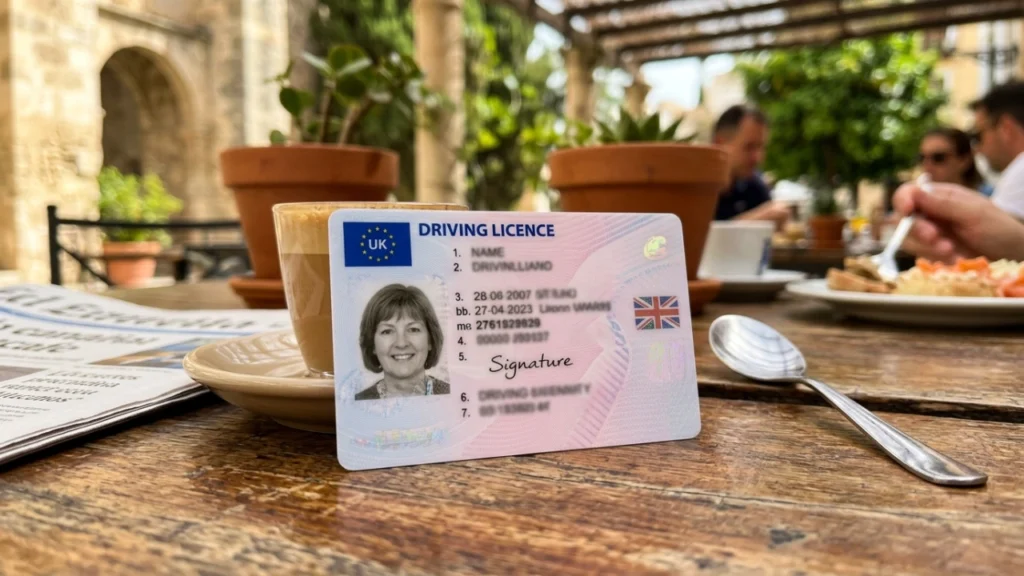
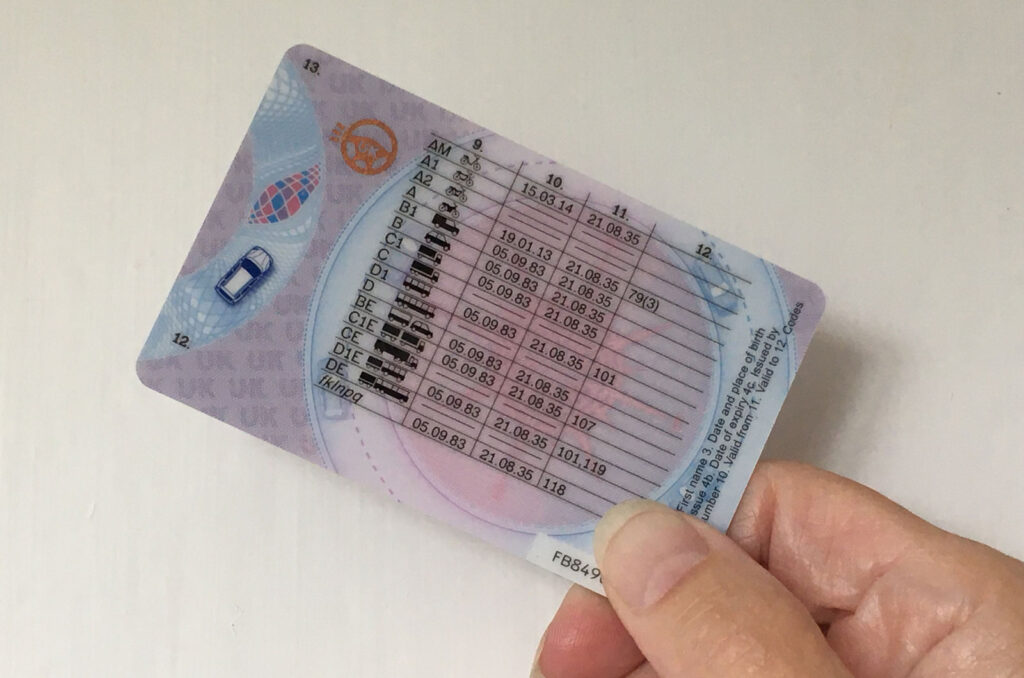
Modern licences are generally issued as photocard licences. Your photocard contains important information such as your name, photograph, date of birth, driving licence number and vehicle categories.
Your driving record contains additional information relating to your driving entitlement and, where applicable, endorsements, penalty points and disqualifications.
If you are researching the UK licensing system, our UK driving licence information provides additional resources covering common DVLA services.
Who Is Responsible for UK Driving Licences?
The licensing authority depends on where you live.
Great Britain
The Driver and Vehicle Licensing Agency (DVLA) is responsible for driving licences in:
- England
- Scotland
- Wales
Northern Ireland
Northern Ireland has a separate licensing system administered by the Driver & Vehicle Agency (DVA).
This distinction is important when searching for UK driving licence information online because some DVLA services apply specifically to Great Britain and are not available through the Northern Ireland system.
How to Get a UK Driving Licence
For most new car drivers, getting a UK driving licence is a process rather than a single application.
The usual journey is:
- Check that you meet the requirements for learning to drive.
- Apply for a provisional driving licence.
- Take driving lessons and practise.
- Study for and pass the theory test.
- Book and pass the practical driving test.
- Receive your full driving licence.
- Keep your licence information up to date.
GOV.UK currently states that most people can start learning to drive a car at 17. A first provisional car, motorcycle or moped licence costs £34 when applied for online.
You can find more information about the overall process in our UK driving licence guide.
Provisional UK Driving Licence
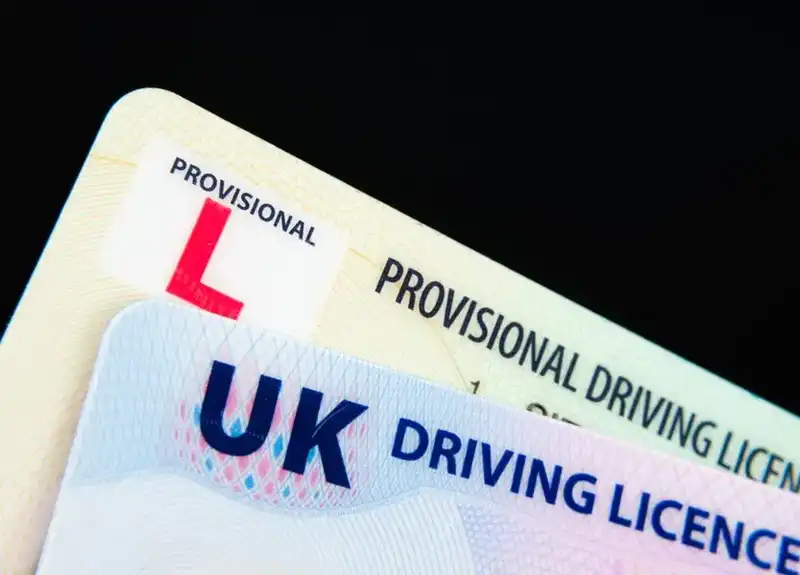
A provisional driving licence is generally the first licence you need when learning to drive.
You need a provisional licence before taking driving lessons or practising on public roads, subject to the rules that apply to learner drivers.
Having a provisional licence does not mean you have a full driving entitlement. You must follow learner-driver requirements until you successfully complete the necessary tests.
What Can You Do With a Provisional Licence?
Depending on the vehicle category and circumstances, a provisional licence allows you to learn and practise before taking the relevant driving test.
Learners should make sure they:
- Meet the minimum age requirements.
- Meet the applicable eyesight requirements.
- Display L plates where required.
- Have appropriate insurance.
- Follow learner-driver supervision rules.
- Use a suitable vehicle.
- Comply with all applicable road traffic laws.
UK Driving Licence Theory Test
The theory test is an important part of becoming a qualified driver.
For car drivers, the test includes multiple-choice questions and a hazard perception section. You need to pass the theory test before you can book a practical driving test.
Effective preparation can help you understand:
- Road signs
- Traffic laws
- Safe driving practices
- Hazard awareness
- Motorway rules
- Vehicle safety
- Driver responsibilities
GOV.UK currently lists the car theory test fee as £23.
If you are preparing for this stage, you can also explore our UK driving licence resources for related information.
Practical Driving Test
After passing the theory test, you can move on to the practical driving test.
The practical test assesses your ability to drive safely and responsibly in real road conditions. You should be comfortable with normal traffic situations, manoeuvres, independent driving and vehicle safety requirements.
GOV.UK currently lists the standard car driving test fee as £62 on weekdays and £75 for evenings, weekends and bank holidays.
Once you pass your practical test, you can generally start driving immediately, provided you have appropriate insurance and meet the legal requirements.
Getting Your Full UK Driving Licence
After passing your practical driving test, your full UK driving licence is normally arranged automatically.
According to GOV.UK, the examiner will usually take your provisional photocard, provide your driving test pass certificate and arrange for DVLA to send your full licence. You can start driving as soon as you pass your practical test.
You may need to apply separately if, for example:
- You did not give your provisional photocard to the examiner.
- Your name has changed.
- Your address has changed.
- You have an older-style provisional licence.
If you need more information about licence applications, visit our UK driving licence website.
UK Driving Licence Renewal
A standard photocard driving licence normally needs to be renewed every 10 years unless a different validity period applies.
The current online fee for renewing an expired standard photocard licence is £14. GOV.UK also states that a photocard licence is normally valid for 10 years and that drivers receive a reminder before the photocard expires.
Renewing before your licence expires can help you avoid unnecessary administrative problems.
For more information, visit our driving licence renewal guide.
Renewing a UK Driving Licence at 70
The renewal rules change when you reach 70.
Drivers aged 70 or over must renew their licence every three years. Eligible drivers can renew online for free through DVLA.
Additional medical and eyesight requirements can apply depending on your circumstances.
Lost UK Driving Licence: What Should You Do?
Losing your driving licence does not mean that you need to start the entire licensing process again.
If your full or provisional licence has been lost, stolen, damaged or destroyed, you can apply for a replacement.
The current online replacement fee is £20. GOV.UK states that a licence should normally arrive within a week when the replacement is applied for online.
If your licence has been stolen, you should contact the police.
Read our detailed lost or stolen driving licence guide for more information.
Replacing a Damaged UK Driving Licence
A damaged or defaced photocard may need to be replaced.
The same replacement service can cover licences that have been:
- Lost
- Stolen
- Damaged
- Destroyed
- Defaced
The current replacement fee is £20.
If you later find your old licence after receiving a replacement, GOV.UK states that you must return the old licence to DVLA.
Changing Your Address on a UK Driving Licence
If you move house, you should update the address recorded on your driving licence.
Changing the address on a driving licence through the online DVLA service is currently free. GOV.UK states that you can continue driving while waiting for your new licence.
You should also remember that changing your driving licence address does not automatically update every vehicle-related record.
If you are the registered keeper of a vehicle, you may also need to update:
- Your V5C vehicle log book
- Your vehicle tax Direct Debit details
- Personalised registration documents, where applicable
For additional information, visit our driving licence update resources.
How to Check a UK Driving Licence
Checking your driving licence information online can be useful when you want to confirm your driving entitlement or review your driving record.
A driving record can provide information relevant to your current driving status, including penalty points and disqualifications.
A driver can also generate a licence check code when another person or organisation needs to verify certain driving information.
For example, a car rental company or employer may ask you to provide a check code.
You should only share your driving information with organisations or individuals when appropriate and with your permission.
For more information, explore our driving licence check guide.
UK Driving Licence Check Code
A UK driving licence check code allows another person or organisation to access certain information from your driving record with your permission.
Check codes are particularly useful when:
- Hiring a vehicle
- Applying for certain driving-related jobs
- Providing driving information to an employer
- Verifying driving entitlements
The exact information available depends on the official service and the circumstances.
Using the correct DVLA process helps ensure that your driving information is shared securely.
UK Driving Licence Fees
The cost of obtaining or managing a UK driving licence depends on the service you require.
Current Great Britain examples include:
| Service | Current online fee |
|---|---|
| First provisional licence | £34 |
| Standard photocard renewal | £14 |
| Replace lost, stolen, damaged or destroyed licence | £20 |
| Change address | Free |
| Renew at age 70 or over | Free |
| Standard car theory test | £23 |
| Standard weekday car driving test | £62 |
These fees are based on current GOV.UK information and can change, so always verify the latest fee before applying.
For more information about costs, visit our driving licence fees information.
How Long Does a UK Driving Licence Take to Arrive?
Processing times depend on the type of application and whether DVLA needs additional information.
For example, GOV.UK states that online replacement applications should normally result in the new licence arriving within a week.
Online applications for certain provisional licences also normally arrive within about a week.
Postal applications can take longer, particularly where identity, medical or personal information needs to be checked.
Can You Track a UK Driving Licence Application?
In some circumstances, you can track your driving licence application online.
For example, people who have made an online provisional driving licence application can use their application reference to check progress and manage certain details.
Keeping your application reference is therefore a good idea after submitting an application.
Changing Your Name on a UK Driving Licence
Your driving licence should contain accurate personal information.
If you change your name, you may need to apply by post and provide original documents confirming the change. The procedure differs from simply changing your address online.
Make sure the documents you submit meet the requirements specified by the relevant licensing authority.
UK Driving Licence for Drivers Over 70
Drivers do not automatically lose their driving entitlement when they reach 70.
Instead, they need to renew their licence every three years.
Eligible drivers can renew online free of charge, provided they meet the relevant requirements.
Depending on the circumstances, medical declarations or additional information may be required.
UK Driving Licence and Medical Conditions
Some drivers have additional licensing requirements because of a medical condition or disability.
If you hold a short-term medical driving licence, DVLA can send a renewal letter before the licence expires. GOV.UK states that short-term licences can be issued for periods such as one, two, three or five years, depending on the circumstances.
If your driving licence has medical restrictions, make sure you follow the relevant DVLA requirements and respond to requests for information when necessary.
Penalty Points and a UK Driving Licence
Penalty points can affect your driving entitlement.
New drivers are subject to particularly important rules. GOV.UK states that a new driver’s licence will be cancelled if they receive six or more penalty points within two years of passing their first driving test.
Points accumulated on a provisional licence can also be carried over to the full licence if they have not expired.
Understanding your driving record is therefore important, particularly during the first two years after qualifying.
What Happens If Your UK Driving Licence Is Disqualified?
If you are disqualified from driving, you must follow the specific requirements imposed on your licence and by the court.
In some circumstances, you may need to apply for a new provisional licence and retake driving tests before you can drive again.
You should never drive while disqualified.
If you are unsure about your legal entitlement to drive, check your official driving record and obtain appropriate advice.
UK Driving Licence for Foreign Licence Holders
People who move to Great Britain with a foreign driving licence should check the rules applicable to the country that issued their licence.
The process can vary depending on:
- The country that issued the licence
- Whether it is an EU/EEA or other foreign licence
- Your residency
- The type of vehicle
- Whether the licence is exchangeable
- Whether additional tests are required
Do not assume that a foreign licence can automatically be exchanged for a British licence.
Always check the current official requirements before driving or applying for an exchange.
Paper UK Driving Licences
Older paper driving licences are still relevant in certain circumstances.
If a valid paper licence remains unchanged and none of the specified circumstances requiring an exchange apply, you may not necessarily need to exchange it immediately.
However, GOV.UK states that you must obtain a new licence in certain circumstances, including changing your name or address, or if the licence is lost, stolen, destroyed or defaced.
UK Driving Licence: Common Questions
What is a UK driving licence?
A UK driving licence is an official document confirming a person’s entitlement to drive particular vehicle categories. In Great Britain, these licences are administered by DVLA.
How much does a provisional UK driving licence cost?
The current online fee for a first provisional car, motorcycle or moped licence is £34.
How often do I renew a UK driving licence?
A standard photocard licence normally needs to be renewed every 10 years unless a different validity period applies.
How much does it cost to replace a lost UK driving licence?
The current online replacement fee is £20.
Is changing my address on my driving licence free?
Yes. Changing the address on a driving licence through the relevant online DVLA service is currently free.
Can I check my UK driving licence online?
Yes. There are official online services that allow eligible drivers to access their driving licence and driving-record information.
What happens after passing the driving test?
In most straightforward cases, the examiner takes your provisional photocard and arranges for DVLA to issue your full driving licence. You can start driving as soon as you pass, provided you have appropriate insurance and meet the legal requirements.
What should I do if I lose my driving licence?
Apply for a replacement through the appropriate official service. If the licence was stolen, you should also contact the police.
Final Thoughts on the UK Driving Licence
Understanding the UK driving licence system is important for both new and experienced drivers.
Whether you are applying for your first provisional licence, preparing for your theory test, taking your practical test, receiving your full licence, renewing your photocard, replacing a lost licence or updating your address, knowing the correct procedure can make the process much easier.
It is equally important to keep your personal information accurate and regularly check your driving status where appropriate.
For more useful information about UK driving licences and DVLA-related services, visit UK DVLA Driving Licence and explore our related guides.